


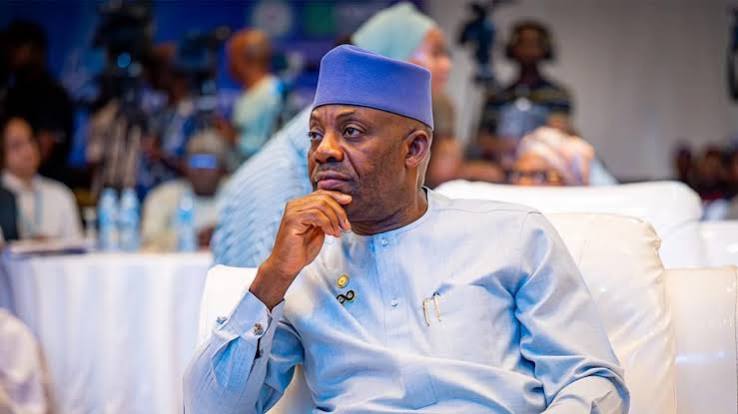
Education Reform Summit 2026: Stakeholders to Assess Progress of Nigeria’s Education Reforms
The Federal Government has announced that the Minister of Education, Dr. Maruf Alausa, will headline the Education Correspondents Association of Nigeria (ECAN) 2026 Summit, a high-level gathering that will bring together policymakers, education experts, school administrators, development partners, and other stakeholders to evaluate the progress of education reforms implemented over the past three years.
The summit is expected to provide a platform for reviewing the achievements, challenges, and future direction of Nigeria’s education sector. Participants will discuss the impact of recent government policies on access to quality education, teacher development, curriculum modernization, digital learning, technical and vocational education, and improved funding for schools across the country.
According to the organizers, the event comes at a critical time as Nigeria continues to strengthen its education system to meet the demands of a rapidly growing population and a technology-driven global economy. The summit will examine how ongoing reforms have affected primary, secondary, and tertiary education while identifying practical solutions to persistent challenges facing the sector.
One of the major highlights of the summit will be the keynote address by Dr. Maruf Alausa, who is expected to outline the Federal Government’s achievements, ongoing initiatives, and long-term vision for improving educational standards nationwide. The Minister is also expected to discuss government efforts aimed at increasing school enrollment, reducing the number of out-of-school children, improving teacher welfare, expanding digital education, and strengthening partnerships with the private sector and international development organizations.
Education experts attending the summit are expected to present research findings and policy recommendations on improving learning outcomes, upgrading school infrastructure, enhancing teacher training programmes, and integrating technology into classroom teaching. Discussions will also focus on addressing challenges such as inadequate funding, overcrowded classrooms, learning poverty, examination malpractice, and unequal access to education in rural communities.
Stakeholders believe that education remains one of the most important drivers of national development and economic growth. They argue that sustained investment in education is essential for producing a skilled workforce capable of supporting Nigeria’s industrialization, innovation, and global competitiveness.
The summit will also provide an opportunity for participants to evaluate the effectiveness of existing education policies and recommend additional reforms that will improve accountability, transparency, and service delivery throughout the education sector. Representatives from universities, polytechnics, colleges of education, civil society organizations, and development agencies are expected to contribute to discussions on strengthening Nigeria’s educational system.
Organizers have expressed optimism that the outcomes of the ECAN 2026 Summit will contribute to shaping future education policies and encourage stronger collaboration among government institutions, educators, parents, and private sector stakeholders. They believe that continuous dialogue and evidence-based policymaking are essential for building an inclusive, modern, and globally competitive education system.
As Nigeria continues its education reform agenda, the ECAN 2026 Summit is expected to play a significant role in identifying practical strategies for improving teaching and learning, expanding access to quality education, and preparing young Nigerians with the skills needed to thrive in the 21st-century economy.