


Cancer Now a Growing Health Crisis in Africa as Nigeria Calls for Stronger Prevention and Early Treatment
Health experts have renewed calls for urgent action to tackle the growing burden of cancer across Africa, warning that the disease has become one of the continent’s leading causes of death. Nigerian health authorities say the increasing number of cancer-related deaths highlights the need for greater investment in prevention, early diagnosis, modern treatment facilities, and public awareness campaigns.
Speaking during recent cancer advocacy activities, officials from the Federal Ministry of Health and Social Welfare noted that Nigeria accounts for about 10.5 percent of Africa’s total cancer burden, making it one of the three most affected countries on the continent alongside Egypt and South Africa. The government warned that cancer is now claiming more lives across Africa than HIV/AIDS, malaria, and tuberculosis combined, reflecting a major shift in the continent’s disease profile.
According to health experts, the rising number of cancer cases is driven by several factors, including population growth, longer life expectancy, unhealthy lifestyles, environmental pollution, tobacco use, excessive alcohol consumption, obesity, and viral infections such as hepatitis B and the Human Papillomavirus (HPV). The World Health Organization (WHO) also identifies poor diet, physical inactivity, and tobacco use as some of the leading preventable causes of cancer worldwide.
One of the biggest challenges facing Nigeria’s healthcare system is the late detection of cancer. Many patients seek medical attention only after the disease has reached an advanced stage, reducing the chances of successful treatment. Medical professionals attribute this to low public awareness, limited access to screening services, financial constraints, and cultural beliefs that discourage early hospital visits.
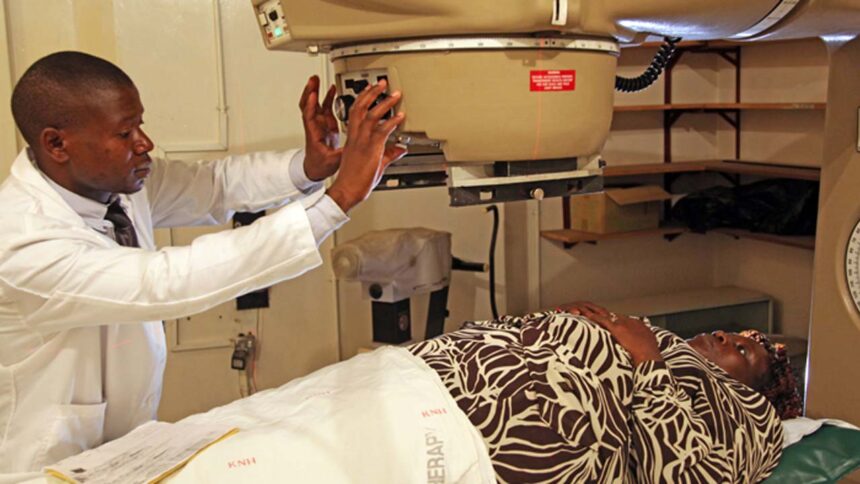
Healthcare advocates say thousands of Nigerians die every year because they cannot afford expensive cancer treatment or travel long distances to access specialized care. Many hospitals also lack adequate radiotherapy equipment, diagnostic laboratories, and trained oncology specialists, forcing some patients to seek treatment abroad or abandon treatment entirely due to high costs. The WHO has also warned that many low- and middle-income countries face severe shortages of essential cancer medicines and treatment facilities, widening the gap in survival rates between wealthy and developing nations.
Despite these challenges, experts insist that many cancers can be prevented or successfully treated when detected early. They recommend regular medical check-ups, breast and cervical cancer screening for women, prostate screening for men where appropriate, HPV and hepatitis B vaccinations, healthy eating, regular physical activity, and avoiding tobacco and excessive alcohol consumption. Public education campaigns are also seen as essential in reducing stigma and encouraging people to seek medical help as soon as symptoms appear.
The Federal Government has pledged to strengthen cancer control through improved healthcare infrastructure, expanded screening programmes, and greater collaboration with African countries and international health organizations. Stakeholders believe that increased investment in healthcare, wider access to affordable treatment, and stronger public awareness could significantly reduce cancer deaths in Nigeria over the coming years.
As cancer continues to emerge as one of Africa’s most pressing public health challenges, experts agree that prevention, early diagnosis, and accessible treatment remain the most effective tools for saving lives. They urge governments, healthcare providers, private organizations, and citizens to work together to ensure that fewer families lose loved ones to a disease that, in many cases, can be prevented or successfully managed when detected early.
