


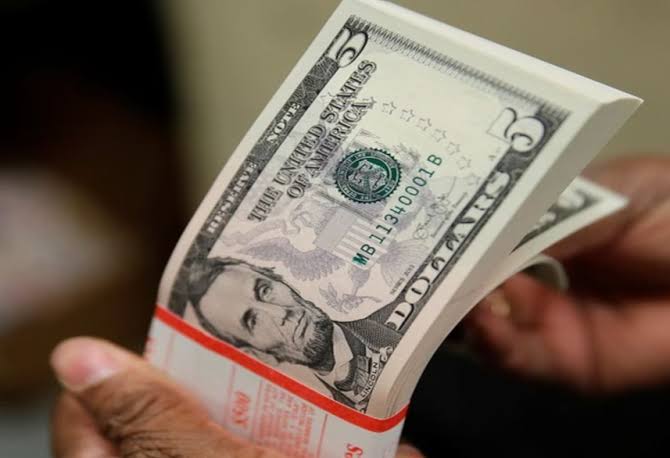
Dollar-to-Naira Exchange Rate Remains Mixed as Foreign Exchange Market Adjusts
The Nigerian foreign exchange market continued to witness mixed movements today as the naira traded at varying rates across the official and parallel markets. According to the latest market data, the official exchange rate stood at approximately ₦1,379.67 to one US dollar, while rates in the parallel market varied depending on location and demand. The fluctuations reflect ongoing adjustments in Nigeria’s foreign exchange market as businesses, investors, and consumers respond to changing market conditions.
The exchange rate remains one of the most closely watched economic indicators in Nigeria because of its direct impact on the prices of imported goods, fuel, raw materials, tuition fees, and international transactions. Businesses that rely heavily on imported products continue to monitor movements in the naira, as even slight changes in the exchange rate can significantly affect operating costs and consumer prices.
Financial analysts attribute the mixed performance of the naira to several factors, including foreign exchange liquidity, global oil prices, external reserves, and the monetary policies of the Central Bank of Nigeria (CBN). Nigeria’s earnings from crude oil exports remain a major source of foreign exchange, making developments in the international oil market an important factor influencing the value of the naira.
The Central Bank of Nigeria has continued implementing reforms aimed at improving transparency and efficiency within the foreign exchange market. These measures include encouraging greater liquidity, promoting market-driven exchange rates, and improving confidence among domestic and international investors. Economists believe that consistent policy implementation will be crucial in maintaining stability and reducing excessive volatility in the currency market.
Despite recent fluctuations, experts note that the naira’s performance has shown signs of relative stability compared to periods of severe volatility experienced in previous years. However, they caution that sustained stability will depend on increased foreign exchange inflows, higher export earnings, stronger non-oil revenue, and continued economic reforms designed to boost investor confidence.
Manufacturers, importers, exporters, and small business owners continue to feel the effects of exchange rate movements. A stronger and more stable naira could reduce production costs, lower inflationary pressures, and improve purchasing power for consumers. On the other hand, persistent volatility may continue to increase the cost of goods and services across the economy.
Market participants are also paying close attention to future policy decisions by the Central Bank of Nigeria, particularly regarding interest rates, inflation management, and foreign exchange interventions. These policies are expected to play a significant role in determining the direction of the naira in the coming months.
As Nigeria continues implementing economic reforms aimed at strengthening macroeconomic stability, many investors remain optimistic that improved foreign exchange liquidity, increased investment, and higher export revenues will contribute to a more stable currency market and support long-term economic growth.