

Political activities continue ahead of upcoming elections, with major parties intensifying consultations, coalition talks, and campaign preparations across the country.
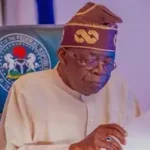
Political activities across Nigeria have intensified as major political parties begin preparations for the country’s upcoming elections. Although the general elections are still some time away, parties are actively engaging in consultations, coalition discussions, membership drives, and strategic planning aimed at strengthening their positions before the official campaign period begins. Across the country, party leaders are holding meetings with stakeholders, governors, lawmakers, youth groups, and traditional leaders to build support and address internal issues that could affect their electoral performance.
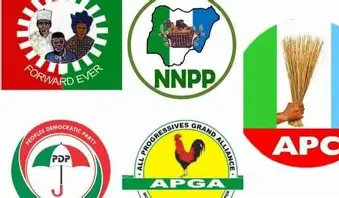
The ruling All Progressives Congress (APC) and the leading opposition parties, including the Peoples Democratic Party (PDP), Labour Party (LP), and the New Nigeria People’s Party (NNPP), have all increased political engagements in recent weeks. Party executives are working to resolve internal disputes, attract new members, and improve party structures at the state and local government levels. Several politicians have also begun consultations regarding possible defections, alliances, and coalition arrangements that could reshape Nigeria’s political landscape ahead of future elections.
Political analysts believe coalition talks may become increasingly important, especially among opposition parties seeking to present a stronger challenge in future elections. Discussions have focused on forming strategic partnerships that could unite different political interests under a common platform. While no major coalition agreement has been officially announced, meetings among political leaders have fueled speculation about possible alliances designed to increase electoral competitiveness.
At the same time, preparations are underway for party congresses, leadership meetings, and policy reviews. Political parties are evaluating their performances in previous elections while identifying areas that require improvement. Issues such as economic recovery, insecurity, youth employment, education, healthcare, infrastructure, and electoral reforms are expected to dominate future campaign messages as parties develop their manifestos.
The Independent National Electoral Commission (INEC) continues preparations for future electoral activities by reviewing operational procedures and engaging stakeholders on measures to improve transparency and voter confidence. Civil society organizations have also encouraged political parties to conduct peaceful campaigns, avoid hate speech, and respect democratic principles throughout the electoral process.
Observers note that while political consultations are a normal part of democratic governance, Nigerians will closely monitor how parties address national challenges through practical policy proposals rather than political rhetoric. As election preparations continue, attention will remain focused on candidate selection processes, possible alliances, and the ability of political parties to present credible leadership options capable of addressing the country’s economic and security concerns.