


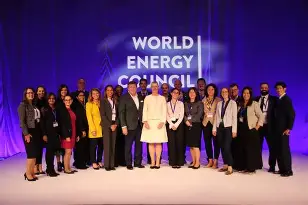
Nigeria rejoins the World Energy Council.
Nigeria has officially rejoined the World Energy Council (WEC), marking a significant step toward strengthening its role in global energy discussions and international cooperation. The announcement was made during the inauguration of a new governing board for the Nigerian chapter of the council, signaling the country’s renewed commitment to advancing sustainable energy development, improving energy security, and participating in global efforts to address the evolving challenges of the energy sector.
The World Energy Council is a leading international organization that brings together governments, businesses, researchers, and energy experts from more than 90 countries to promote sustainable, affordable, and secure energy systems. By rejoining the council, Nigeria will have greater opportunities to contribute to global energy policy discussions, access international research and best practices, and collaborate with other member countries on innovative energy solutions.
Speaking during the inauguration ceremony, government officials emphasized that Nigeria’s return to the council aligns with the country’s broader energy transition agenda, which seeks to balance economic development with environmental sustainability. The new governing board has been tasked with representing Nigeria’s interests in international energy forums, promoting investment in the country’s energy sector, and supporting policies that encourage innovation in renewable energy, electricity generation, oil and gas development, and energy efficiency.
Officials also noted that Nigeria’s vast energy resources—including crude oil, natural gas, hydroelectric power, solar, and wind potential—position the country as an important player in Africa’s energy future. They expressed optimism that renewed engagement with the World Energy Council will help attract foreign investment, strengthen partnerships with international organizations, and accelerate the modernization of Nigeria’s energy infrastructure.
Industry experts welcomed the development, stating that membership in the World Energy Council provides Nigeria with access to global expertise, technical knowledge, and policy recommendations that can support the country’s long-term energy goals. They added that stronger international collaboration could help Nigeria address persistent challenges such as electricity shortages, energy access, infrastructure deficits, and the transition to cleaner energy sources while maintaining economic growth.