

ICIR Investigation Raises Questions Over Military Airstrike That Reportedly Killed Displaced Families in Niger State
A recent investigative report by the International Centre for Investigative Reporting (ICIR) has renewed public attention to a military airstrike in Niger State that reportedly claimed the lives of several internally displaced persons (IDPs). The investigation examines the circumstances surrounding the incident, its humanitarian consequences, and the broader challenges of protecting civilians during military operations against armed groups.
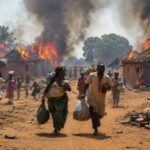
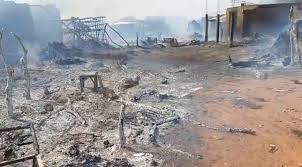
According to the ICIR report, the affected community was home to families who had already been displaced by insecurity and were seeking refuge in what they believed to be a safer location. The investigation alleges that the airstrike struck the area during a military operation targeting criminal elements operating within the region. Residents interviewed in the report described scenes of destruction, with casualties reportedly including women, children, and elderly persons.
The incident has sparked renewed concerns among humanitarian organizations, civil society groups, and human rights advocates, who have called for a transparent and independent investigation into the circumstances surrounding the strike. They argue that establishing the facts is essential to ensuring accountability, strengthening public confidence, and improving safeguards for civilians in future security operations.
Humanitarian experts have emphasized that while security forces face complex operational challenges in combating banditry, terrorism, and other forms of violent crime, every effort must be made to protect innocent civilians. They noted that adherence to international humanitarian law, improved intelligence gathering, and more precise targeting procedures are critical to minimizing civilian casualties during military operations.
The report also highlights the difficult humanitarian situation in parts of Niger State, where thousands of residents have been displaced by insecurity. Many displaced families continue to depend on humanitarian assistance for food, shelter, healthcare, and other basic necessities. Stakeholders have urged both government agencies and development partners to strengthen support for affected communities while improving emergency response mechanisms.
Although military authorities have previously maintained that operations are carefully planned to target criminal groups, the latest investigation has intensified calls for enhanced operational safeguards and continuous review of engagement procedures. Security analysts say lessons learned from such incidents can help improve intelligence coordination and reduce the likelihood of unintended civilian harm.
The Federal Government has consistently maintained that restoring peace and security remains a national priority while emphasizing the importance of protecting the lives of law-abiding citizens. Observers believe that transparent investigations into allegations of civilian casualties can contribute to greater accountability and help strengthen trust between security agencies and local communities.
As discussions continue, many stakeholders agree that achieving lasting security in conflict-affected areas requires balancing effective counter-insurgency operations with robust measures to safeguard civilian lives. The ICIR investigation has added to ongoing conversations about improving humanitarian protection, strengthening military accountability, and supporting communities affected by insecurity in Niger State and other parts of Nigeria.