


Nigeria’s Naira Remains Under Pressure as Businesses Monitor Exchange Rate and Inflation Trends
Nigeria’s economy continues to face challenges as the naira remains under pressure in both the official and parallel foreign exchange markets. Businesses, investors, importers, and consumers are closely monitoring exchange rate movements and inflation trends, as fluctuations in the value of the naira continue to affect the cost of goods and services across the country. Despite ongoing reforms by the Central Bank of Nigeria (CBN) and the Federal Government, volatility in the foreign exchange market remains a major concern for businesses that depend on imported raw materials, machinery, and finished products.
The pressure on the naira is largely driven by high demand for foreign currency, limited foreign exchange inflows, and continued dependence on imports. Many manufacturers and importers require U.S. dollars to pay for goods purchased abroad, but limited dollar supply has created pressure on the exchange rate. As a result, businesses often pay higher costs to obtain foreign currency, increasing production expenses and forcing many companies to raise prices for consumers.
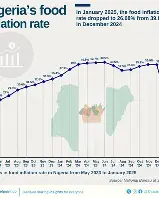
Inflation also remains a significant challenge for the Nigerian economy. Rising prices of food, transportation, energy, and imported goods continue to reduce the purchasing power of households. Businesses are facing higher operating costs due to increased fuel prices, electricity expenses, logistics costs, and the depreciation of the naira. Small and medium-sized enterprises (SMEs) have been particularly affected, with many reporting lower profit margins and reduced consumer demand as customers cut back on spending.
The Central Bank of Nigeria has continued implementing monetary policies aimed at stabilizing the foreign exchange market and controlling inflation. These measures include tightening monetary policy, improving transparency in the foreign exchange market, and encouraging increased foreign investment into the Nigerian economy. The government has also introduced reforms intended to diversify the economy, boost non-oil exports, increase domestic production, and attract more foreign direct investment (FDI). Economic experts believe these measures could help strengthen the naira over time, although the impact may take several months to become fully visible.
Financial analysts note that exchange rate stability is essential for economic growth because it provides businesses with greater certainty when planning investments, pricing products, and managing operational costs. Stable exchange rates can also help reduce inflationary pressure by lowering the cost of imported goods and production inputs.
Looking ahead, businesses, investors, and financial institutions will continue to monitor decisions by the Central Bank, global oil prices, foreign exchange reserves, and inflation data. These factors are expected to play a crucial role in determining the direction of the naira and Nigeria’s overall economic outlook in the coming months.